
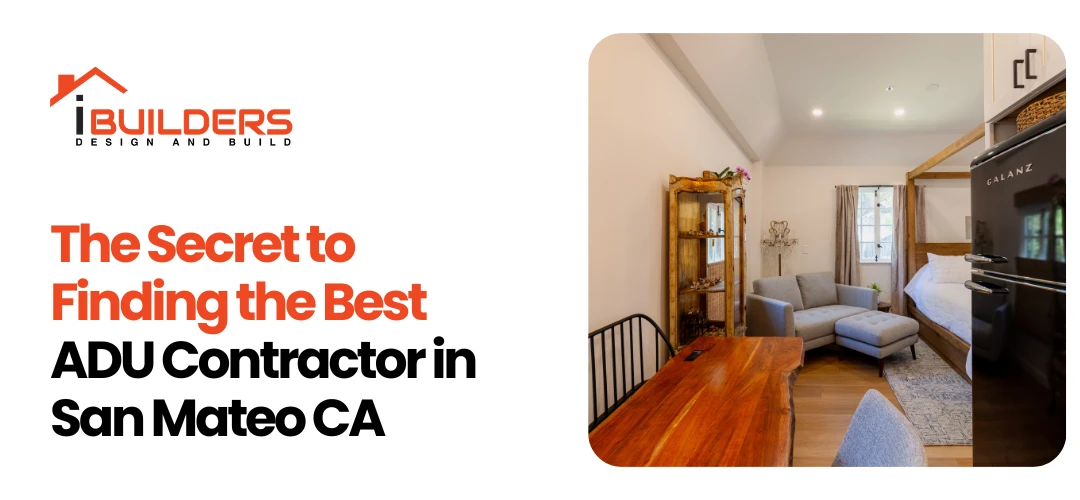
Adding an Accessory Dwelling Unit (ADU) is a big investment. Many homeowners rush into the process without choosing the right builder. This often leads to delays, extra costs, and poor-quality work. Finding a trusted ADU contractor San Mateo CA can help you avoid these problems from the start. An experienced contractor understands local building codes, permits, and construction steps in San Mateo. They also help you make smart choices that fit your budget, lot conditions, and long-term goals. Whether you want more living space, a rental unit, or a home office, working with the right team makes every stage easier. This guide explains what to look for before hiring a contractor, what current San Mateo ADU projects typically involve, and how to make your ADU project a success.
Why Experience Matters When Building an ADU
Not every builder has the same level of experience with ADUs. These projects have different rules than standard home additions. A skilled ADU contractor San Mateo CA knows how to manage every step, from planning to final inspection. A trusted contractor will:
- Explain the process in simple terms.
- Help you avoid common mistakes.
- Keep the project on schedule.
- Work within your approved budget.
- Identify site constraints early, such as slope, access, drainage, tree protection, utility trenching, and foundation issues.
Choosing an experienced builder means fewer surprises during construction. It also means working with someone who understands how California ADU laws and San Mateo review requirements affect design, permitting, and buildability.
Look for a Reliable ADU Construction Team
When comparing builders, pay attention to their past projects. A professional ADU construction company San Mateo CA should have completed several ADU projects and be able to explain how they handle permits, planning, and inspections. Ask questions like:
- How many ADUs have you built?
- Can you provide references?
- Who manages the project each day?
- Do you use in-house crews or subcontractors, and who coordinates them?
- Can you show photos or examples of completed ADUs in San Mateo or nearby neighborhoods?
These answers help you feel more confident before signing a contract. You should also verify the contractor’s CSLB license, insurance coverage, and whether they have a consistent record of pulling permits for residential work.
Understand the Cost Before You Begin
Every homeowner wants to stay within budget. The accessory dwelling unit cost San Mateo CA depends on several factors, including size, design, materials, and site conditions. In many San Mateo projects, garage conversions often start lower than new detached ADUs, while detached units usually cost more because they require new foundations, framing, roofing, utility runs, and more extensive site work.
As a practical current guideline, many homeowners see rough ranges such as:
- Garage conversion ADUs: often around $120,000 to $250,000+
- Attached or interior conversion ADUs: often around $150,000 to $300,000+
- Detached ADUs: often around $250,000 to $450,000+ depending on size, finish level, and site complexity
Some costs may include:
- Design and planning
- Permit fees
- Construction materials
- Labor
- Utility connections
- Sewer or water upgrades if required
- Electrical panel upgrades
- Drainage, grading, or retaining work
A detailed estimate helps you understand where your money goes and reduces unexpected expenses later. When comparing bids, ask each contractor whether the estimate includes demolition, architectural plans, engineering, permit coordination, utility trenching, appliances, finish allowances, inspections, and final punch-list work. This makes it easier to compare proposals fairly instead of choosing based on price alone.
Know the Local ADU Rules
Before construction begins, you should understand the local regulations. Building a legal ADU San Mateo CA means following city zoning rules, safety codes, and permit requirements. California ADU law has made it easier to add qualifying units, but local review still matters. An experienced contractor helps you:
- Prepare permit applications.
- Meet local building codes.
- Schedule required inspections.
- Complete the project according to regulations.
In San Mateo, important ADU considerations often include unit type, lot layout, setbacks, height limits, privacy impacts, utility connections, and whether the project is detached, attached, or a conversion of existing space. Parking rules may be reduced or waived in some situations under state law, but site-specific conditions still matter. Some properties may also need closer review for drainage, easements, or fire-safety requirements. Owner-occupancy rules can also change over time depending on state and local updates, so it is smart to confirm current requirements before finalizing plans.
Following the rules protects your investment and prevents future legal issues. A good contractor does not guess on code questions. They coordinate with designers, engineers, and city staff so your ADU is planned correctly from the beginning.
Garage Conversions Can Add Valuable Living Space
Many homeowners already have unused garages. Choosing to convert garage to ADU San Mateo CA is often one of the most practical ways to add extra living space without building from the ground up. Garage conversions can become:
- Guest suites
- Rental units
- Home offices
- Private spaces for family members
An experienced contractor will evaluate the existing structure before starting the conversion. In San Mateo, that often means checking slab condition, ceiling height, insulation needs, drainage, sewer location, electrical capacity, and whether the garage structure needs seismic or framing upgrades to meet current code.
Planning Makes Every Project Easier
Good planning is one of the biggest reasons ADU projects stay on schedule. A successful ADU conversion San Mateo CA starts with clear goals and realistic expectations. Planning includes:
- Setting a budget.
- Choosing the right layout.
- Selecting quality materials.
- Creating a construction timeline.
Careful preparation helps reduce delays and unexpected costs. It also helps you decide which ADU type best fits your property:
- Detached ADU: offers the most privacy but usually involves the highest cost and most site work.
- Attached ADU: can be efficient when tied into the main home, but design and utility integration must be handled carefully.
- Interior conversion: may work well when existing square footage can be repurposed.
- Garage conversion: can be cost-effective, but older garages often need major upgrades.
- Junior ADU (JADU): typically smaller and created within the existing home, with its own specific rules and limitations.
Communication Should Always Be Clear
A reliable contractor keeps you informed throughout the project. Regular updates help you understand progress and quickly address any questions. Good communication includes:
- Project timelines
- Budget updates
- Inspection schedules
- Material selections
- Written change orders when scope or pricing changes
When everyone stays informed, the project runs more smoothly. Clear communication is especially important during permitting, when plan comments, revisions, or utility questions can affect the schedule.
Choose Quality Instead of the Lowest Price
Many homeowners focus only on saving money. While price is important, quality work often saves more money over time. Poor workmanship may lead to:
- Costly repairs
- Building code violations
- Delays
- Lower property value
Choosing experienced professionals gives you better long-term results. It also reduces the risk of incomplete scopes, unrealistic allowances, or bids that leave out expensive items such as utility work, foundation repairs, or finish materials.
Think About Your Future Needs
An ADU should meet your needs today and in the future. Many homeowners build ADUs for:
- Rental income
- Aging parents
- Adult children
- Home offices
- Guest accommodations
Planning ahead helps you build a space that remains useful for years. If rental income is part of your goal, ask your contractor how design choices may affect marketability, privacy, storage, laundry, and separate access. While no contractor should overpromise returns, a well-designed ADU can add flexibility and long-term value to a San Mateo property.
Why Local Knowledge Makes a Difference
Contractors who understand San Mateo neighborhoods can often complete projects more efficiently. They know local permit offices, inspectors, and common building requirements. They also understand the practical issues that affect many local ADU projects, such as narrow side-yard access, older utility infrastructure, drainage concerns, mature trees, and the extra coordination sometimes needed for sewer, water, or electrical upgrades.
This local knowledge can make a real difference during planning and review. A contractor familiar with San Mateo is more likely to identify potential issues early, communicate clearly with planning staff, and keep your project moving with fewer surprises.
A Step-by-Step Process for Hiring the Right ADU Contractor
Choosing the right builder is easier when you follow a clear process. Before hiring anyone, take these steps:
- Verify the CSLB license. Make sure the license is active and appropriate for residential construction.
- Confirm insurance and bonding. Ask for proof of general liability coverage and workers’ compensation.
- Review permit history. Ask whether the contractor regularly pulls permits for ADUs, additions, and conversions.
- Ask who handles design and engineering. Some firms are design-build, while others work with outside architects and engineers.
- Understand subcontractor management. Find out who supervises framing, plumbing, electrical, and finish trades.
- Review the contract scope carefully. It should clearly state what is included, what is excluded, and what allowances apply.
- Check the payment schedule. Payments should be tied to milestones, not vague promises.
- Ask about change orders. Changes should be priced and approved in writing before extra work begins.
- Discuss warranty coverage. Understand what is covered after completion and for how long.
- Request lien releases. This helps protect you as payments are made.
A professional contractor should be comfortable answering these questions. If someone avoids details, rushes you, or refuses to put terms in writing, that is a warning sign.
How to Vet a San Mateo ADU Contractor With Real Proof
A strong sales pitch is not enough. Homeowners should look for proof that a contractor can deliver quality work in San Mateo. Useful proof points include:
- A portfolio with before-and-after photos
- References from recent local clients
- Consistent review patterns across multiple platforms
- Examples of completed garage conversions, attached ADUs, or detached ADUs
- Familiarity with San Mateo planning and inspection processes
- A clear explanation of how they handle permits, revisions, and inspections
When possible, ask to see projects similar to yours. A contractor who has built a detached backyard unit may not face the same challenges as one converting an older garage with drainage and foundation issues.
What a Realistic ADU Timeline Looks Like
Many homeowners ask how long an ADU takes. The answer depends on the project type, design complexity, and permitting conditions. In general, a San Mateo ADU project often moves through these phases:
- Feasibility and site review: evaluating zoning, access, utilities, and lot constraints
- Design and engineering: preparing plans, structural details, and revisions
- Permitting: submitting plans, responding to comments, and obtaining approvals
- Construction: demolition, foundation, framing, rough trades, insulation, drywall, finishes, and exterior work
- Inspections and final sign-off: completing required inspections and final corrections
A simple conversion may move faster than a detached new-build, but many ADU projects still take several months from concept to completion. Common causes of delay in San Mateo County include plan revisions, utility coordination, material lead times, weather, hidden structural problems, and inspection scheduling.
Financing and Return on Investment Considerations
Financing is another important part of choosing the right contractor. Some homeowners pay from savings, while others use home equity, renovation financing, or lender programs designed for residential improvements. A well-organized contractor can help by providing phased budgets, draw schedules, and documentation your lender may request.
From an ROI standpoint, ADUs can add value by increasing usable living space, supporting multigenerational living, and creating rental potential. However, returns vary based on location, design quality, privacy, parking, and local rental demand. The best contractors stay realistic and help you build a unit that balances budget, function, and long-term value.
Choose a Contractor Who Puts Customers First
The best contractors focus on customer satisfaction from the first meeting until project completion. They answer questions honestly, provide written estimates, and explain every step of the process.
iBuilders Design & Build San Mateo CA understands that every homeowner has different goals. A professional team listens carefully, communicates clearly, and works hard to deliver quality craftsmanship while following local building requirements.
Final Thoughts
Choosing the right ADU contractor San Mateo CA is one of the most important decisions you will make during your project. A knowledgeable contractor helps you manage costs, follow local regulations, compare realistic timelines, and complete construction with confidence. Take time to compare experience, review previous work, verify licensing and insurance, and ask detailed questions before making your decision. If you’re ready to build an ADU that adds value, comfort, and flexibility to your property, contact a trusted local professional today and start planning your project with confidence.
Frequently Asked Questions
How do I choose the best ADU contractor San Mateo CA?
Look for ADU-specific experience, an active CSLB license, insurance, strong local reviews, a clear contract, and a builder who can explain San Mateo permitting and inspections in detail.
How long does an ADU project usually take?
Most projects take several months, and some take longer depending on design, permits, inspections, utility work, and construction complexity. Detached ADUs usually take longer than simple interior or garage conversions.
Can I build an ADU on my existing property?
Many residential properties qualify, but local zoning rules, lot layout, setbacks, utility access, and site conditions determine what type of ADU may be approved.
Will an ADU increase my home’s value?
In many cases, yes. A well-built ADU can increase property value while providing additional living space or rental income potential, though the exact return depends on design, location, and market conditions.
Should I hire a contractor who handles permits?
Yes. Contractors who coordinate permits and inspections can help reduce delays and make sure your project follows current San Mateo and California requirements.
Is design-build better than hiring a separate architect and contractor?
It depends on your project. Design-build can simplify communication and coordination, while separate professionals may offer more flexibility. The key is making sure everyone is experienced with ADUs in San Mateo.
How should I compare ADU bids?
Compare scope, allowances, permit coordination, utility work, materials, timeline, warranty, and exclusions. The lowest bid is not always the best if important items are missing.
What are red flags in an ADU contract?
Watch for vague scope descriptions, unclear payment schedules, no written change-order process, missing warranty details, or pressure to move forward without permits and plans.
Can HOA rules affect an ADU project?
They can. Even when state law supports ADU development, homeowners should still review any HOA rules or recorded property restrictions that may affect design or construction.
What can stop an ADU from being approved?
Common issues include incomplete plans, unresolved zoning questions, utility conflicts, drainage problems, access limitations, structural deficiencies in conversions, or designs that do not meet current code requirements.