
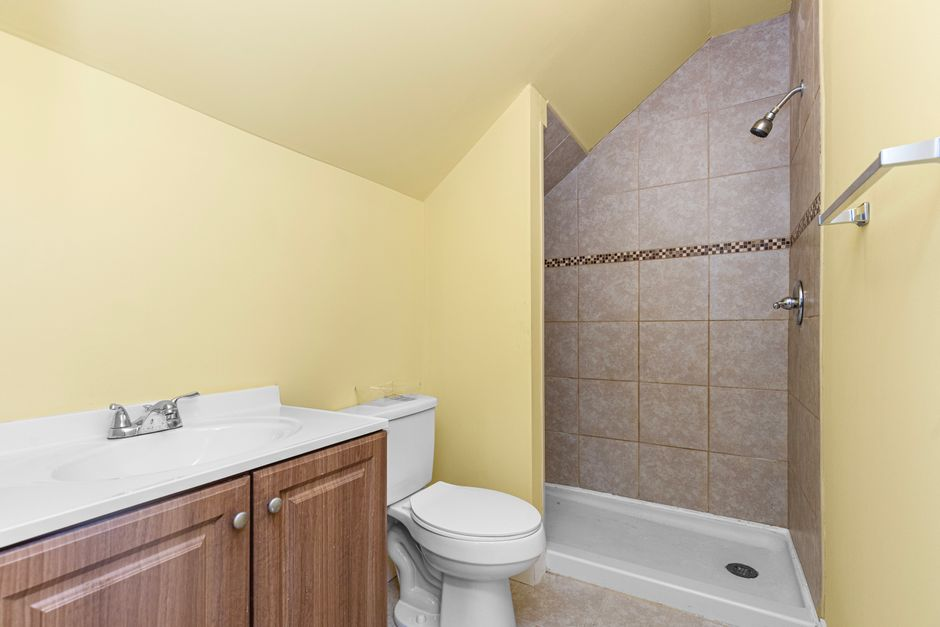
The bathroom project looked simple at first: replace the vanity, update the shower, choose new tile, done. Then the designer needed a measurement confirmed before finishing the layout. A permit question came back from the city. The tile you liked had a lead time. The plumber wanted fixture specs before rough-in. The contractor asked whether the niche moved with the wall adjustment. Suddenly you were not just remodeling a bathroom. You were relaying answers between people who each owned one piece of the job while the calendar kept moving.
We see this turning point all the time, and it is why the real decision comes earlier than most homeowners think. Before you compare prices, photos, or finish packages, it helps to decide what kind of project structure you want. Do you want to coordinate separate design, permit, material, and construction parties yourself, or do you want one team to carry the bathroom remodel from planning through build? In the South Bay, where busy schedules, active households, and city-by-city permit differences can quickly add friction, that choice affects the entire experience.
Want one team to handle your bathroom remodel from design to build?
If you already know you want fewer handoffs, clearer communication, and one accountable team, explore how iBuilders approaches full-service bathroom remodeling in the South Bay.
If your goal is fewer handoffs, clearer communication, and one point of responsibility when something changes, a full-service bathroom remodeling team usually makes more sense than a fragmented setup. The key is not whether every project has surprises. It is who owns the next move when they happen.
Many homeowners shop for a bathroom remodel as if the main variable is bid price. But price is only one part of the decision. The bigger variable is how the work is organized. Project structure determines who develops the plan, who prepares the permit package, who keeps selections aligned with the drawings, who sequences trades, and who solves conflicts when real conditions do not match assumptions on paper.
That matters because bathroom remodeling is dense work. A relatively small room can involve demolition, framing adjustments, plumbing, electrical, waterproofing, tile layout, ventilation, inspections, finish carpentry, glass, paint, and final punch details. Decisions overlap. A change that feels minor to a homeowner can affect several trades at once. When those trades and planning roles are spread across separate parties, someone still has to connect the dots. In a fragmented setup, that someone is often the homeowner.
We think homeowners deserve to know this upfront. A smooth remodel is not just about craftsmanship at installation. It starts with responsibility being clear before the first wall is opened.
Where self-managed coordination usually starts to break down
Hiring separate specialists can sound efficient on paper. You might imagine a designer handling aesthetics, a permit expeditor handling approvals, suppliers handling product orders, and a contractor handling construction. The problem is that bathrooms do not move in separate lanes for long. Once the work begins, those roles constantly touch each other.
A designer may draw a layout based on a selected vanity size, then the actual product availability changes. The updated selection affects plumbing placement. That affects the wall condition. That may affect permit documentation or inspection timing. None of those steps are dramatic on their own, but they create revision loops. When no single team owns the whole chain, delays tend to show up in the spaces between responsibilities.

We also see schedule gaps caused by incomplete selections. A contractor may be ready to move, but shower trim, tile, lighting, or glass details are still unresolved. Work slows while people wait for answers. If the answer changes something already installed or already submitted, the slowdown gets more expensive.
Then there is the most frustrating part for homeowners: overlap problems. If waterproofing, tile layout, fixture placement, and wall dimensions all influence each other, it becomes very easy for different parties to say the issue started somewhere else. That finger-pointing is not always malicious. Sometimes it is simply what happens when no one was assigned full ownership from the beginning.
For a household living through the remodel, the result feels the same either way. More texts. More clarifications. More days when the room is unavailable and the next step is uncertain.
What actually determines whether a bathroom remodel feels controlled or chaotic
Design ownership
Design is not just style selection. It is the working plan that guides dimensions, fixture placement, tile transitions, storage decisions, lighting, and usability. When design and construction live too far apart, homeowners often end up translating intent from one side to the other. That is risky because small interpretation differences in a bathroom can create visible results.
We prefer a process where design intent stays connected to execution from the start. If a homeowner wants to explore layout options, storage improvements, or better flow, it helps to have the people who will eventually build the work involved early enough to flag practical impacts. Our design and engineering process is meant to reduce those disconnects before they become costly field revisions.
Permit handling
Permits are another area where structure matters more than most people expect. In the South Bay, review paths and expectations can differ by municipality, and even straightforward bathroom projects can trigger documentation and coordination questions depending on scope. If electrical, plumbing, ventilation, or layout changes are part of the remodel, permit clarity matters early.
When separate parties are involved, homeowners often become the go-between for plan updates, resubmissions, and inspection readiness. A full-service team should be able to own that chain instead of asking you to stitch it together. That does not remove every city comment or timeline variable, but it gives the project a responsible center.
Materials coordination
Material decisions are where many bathroom schedules quietly slip. Tile, plumbing fixtures, vanities, lighting, specialty glass, and finish details all have ordering timelines and installation dependencies. If one item is missing, incompatible, delayed, or selected too late, the sequence can break apart.
This is one of the biggest hidden burdens in a homeowner-managed setup. Someone has to verify what is being ordered, when it arrives, whether it matches the approved plan, and when each trade will need it. When one accountable remodeling team manages the process, materials are less likely to become isolated decisions floating outside the build schedule.
Construction scheduling
Bathrooms are compact, but the sequence is unforgiving. Demolition cannot drift into rough work. Rough work cannot drift into waterproofing. Waterproofing cannot drift into tile. Finish installation depends on inspections, product readiness, and prior trade completion. If one step slides, the rest stack up behind it.
That is why we encourage homeowners to ask not just for a timeline, but for ownership of the timeline. Who is responsible for trade sequencing, readiness checks, and adjustments when conditions change? If that answer is effectively “you coordinate between everyone,” the lower bid can become expensive in time, stress, and disruption.
Communication flow
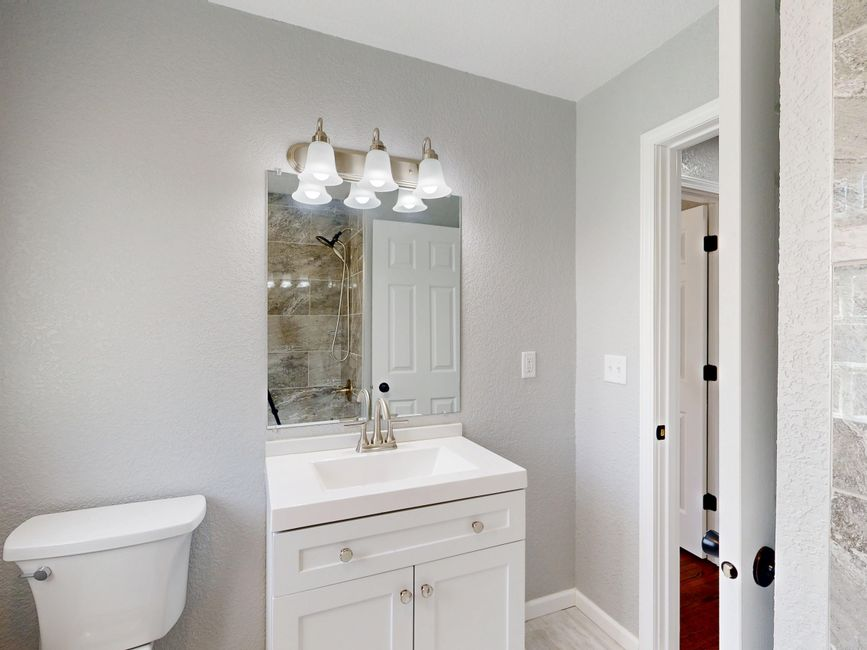
Most remodeling stress is not caused by a single catastrophic issue. It comes from uncertainty. Homeowners want to know what is happening, what decisions are needed, and who is handling the next step. In a fragmented structure, communication often branches in too many directions: designer to homeowner, homeowner to contractor, supplier to homeowner, permit contact to one party, schedule question to another.
We believe the communication path should be simpler than that. One responsible team means fewer chances for details to get lost in translation and fewer moments where you have to chase answers from multiple parties. You still make decisions, but you should not have to serve as the project switchboard.
Problem resolution
No remodel is valuable because it avoids every change. It is valuable when changes are handled cleanly. Walls open up. Existing conditions appear. A product gets discontinued. A preferred layout needs refinement. The real test is not whether the plan remains untouched. It is whether someone can absorb the issue, explain the impact clearly, and move the project forward without blame-shifting.
That is the strongest argument for one accountable team. When the same company owns the process, there is less room for “that was someone else’s scope.” There is more pressure to solve the issue, protect the schedule where possible, and keep the homeowner from carrying the coordination burden alone.
A simple way to compare the two paths
- Design revisions: In a fragmented setup, you often relay changes between designer and builder. With a full-service team, one group updates and aligns the plan.
- Permits and responses: In a fragmented setup, you may track comments, revisions, and inspection readiness. With a full-service team, that chain is managed for you.
- Selections and lead times: In a fragmented setup, you may need to confirm compatibility and delivery timing yourself. With a full-service team, materials are coordinated against the construction schedule.
- Trade sequencing: In a fragmented setup, delays can create gaps nobody fully owns. With a full-service team, scheduling belongs to one responsible party.
- Jobsite questions: In a fragmented setup, field issues can bounce between roles. With a full-service team, one point of contact drives resolution.
- Your role: In a fragmented setup, you become the connector. With a full-service team, you stay the decision-maker without becoming the project manager.
Why this matters even more in the South Bay
South Bay homeowners are often balancing demanding work schedules, school routines, family logistics, and occupied homes during the remodel. That reality changes the value equation. A bathroom project is not just a construction event. It is a disruption event. Every extra handoff, unanswered question, or avoidable delay lands inside daily life.
Local permitting conditions also make coordination more important. Whether a project is in San Jose, Santa Clara, Sunnyvale, Cupertino, Los Altos, Saratoga, San Mateo, or Redwood City, the process can feel slightly different depending on scope and city expectations. Homeowners usually do not want to learn those differences while also trying to manage suppliers and contractors in parallel. They want the project to keep moving with less personal overhead.
That is why we think the smartest time to choose your remodeling model is before comparing bids. If you know you want one accountable team, you can evaluate companies through that lens from the start. Instead of asking only, “Who is cheapest?” you can ask, “Who owns design alignment, permits, selections, scheduling, communication, and problem-solving from beginning to end?”
For many households, that is the question that protects both the remodel and their routine. If that is the experience you want, working with a full-service remodeling company is usually the safer path than building your own team from separate parts.
At I Builders, this is exactly how we believe bathroom projects should run: one accountable process, one connected team, and less burden on the homeowner. If you are weighing your options before collecting estimates, you can book a consultation and start with the structure that keeps responsibility clear from day one.
FAQ
Does a full-service bathroom remodel always cost more?
Not necessarily in the way homeowners mean it. A fragmented setup can look leaner at first, but if revisions, delays, missing selections, schedule gaps, or coordination mistakes appear, the total cost in time and disruption can rise quickly. Full-service work often delivers value through fewer handoffs and better control, not just through a line-by-line price comparison.
Can one team really handle design, permits, materials, and construction?
Yes, that is the point of a true full-service model. The benefit is not that every challenge disappears. The benefit is that the responsibility stays connected, so the homeowner is not left coordinating separate parties when decisions overlap.
What happens if we change something after the project starts?
Changes happen in real remodels. What matters is having a process for evaluating the impact on drawings, materials, pricing, and schedule without confusion about who owns the update. One accountable team is usually better equipped to absorb that change and move forward cleanly.
Are permits always required for a bathroom remodel in the South Bay?
It depends on the scope. Cosmetic updates may be different from projects involving plumbing, electrical, ventilation, layout changes, or structural work. Because city expectations can vary, it is important to review the scope early with a team that understands how permitting fits into the remodel process.
Ready to plan your bathroom remodel with one accountable team?
Book a consultation with iBuilders to discuss your scope, timeline, permits, selections, and the best project structure for your South Bay home before you start collecting bids.